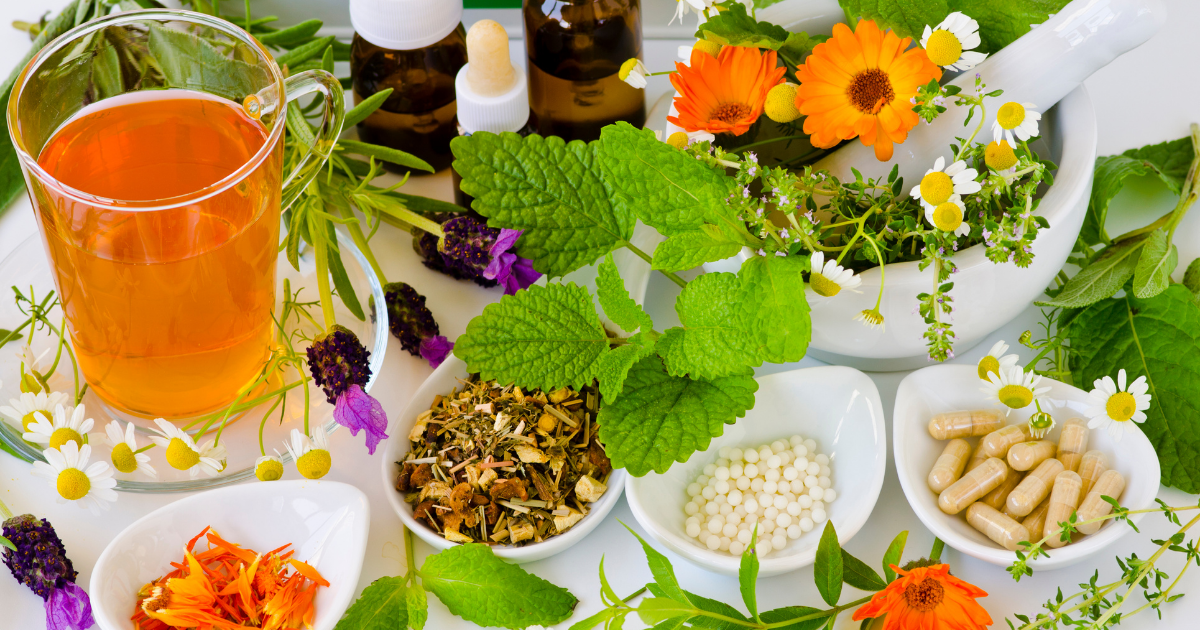
In a world where modern medicine often takes center stage, it’s easy to overlook the profound healing potential of nature’s pharmacy. Herbal medicine and therapies, as practiced in Ayurvedic traditions, offer a holistic approach to health and well-being that has stood the test of time. Let’s delve into the rich world of herbal medicine and therapies, exploring their benefits, applications, and why they continue to play a crucial role in healthcare today.
The Wisdom of Nature
For thousands of years, traditional healing systems across the globe have relied on the healing properties of plants, herbs, and natural substances. Ayurveda, one of the oldest holistic healing systems, emphasizes the importance of maintaining balance within the body and mind. Central to Ayurvedic philosophy is the belief that nature provides everything we need for healing.
Understanding Herbal Medicine
Herbal medicine forms the cornerstone of Ayurvedic practice. Practitioners believe that each plant contains a unique combination of bioactive compounds that exert specific effects on the body. From the calming properties of chamomile to the immune-boosting effects of echinacea, herbs offer a diverse array of therapeutic benefits.
In Ayurvedic education, students learn about the properties, actions, and applications of hundreds of medicinal plants. They understand how to prepare herbal formulations, including teas, powders, tinctures, and oils, tailored to individual constitutions and health concerns.
Exploring Therapeutic Modalities
Beyond herbal preparations, Ayurvedic therapies harness the healing power of touch, oils, and natural substances. Here are some key therapies:
-
Panchakarma: This detoxification therapy involves a series of cleansing procedures to remove toxins from the body. It includes therapies like Vamana (emesis), Virechana (purgation), Basti (enema), Nasya (nasal administration), and Raktamokshana (bloodletting). Panchakarma aims to rejuvenate the body, strengthen the immune system, and restore balance.
-
Abhyanga: This therapeutic massage involves the application of warm herbal oils to the body. Abhyanga not only relaxes the muscles but also nourishes the skin, improves circulation, and promotes the elimination of toxins. It is often used as part of a daily self-care routine or as a preparatory step for other therapies.
-
Shirodhara: In this calming therapy, a continuous stream of warm herbal oil is poured onto the forehead (the ‘third eye’ region). Shirodhara induces a deep state of relaxation, calms the nervous system, and promotes mental clarity. It is commonly used to alleviate stress, anxiety, and insomnia.
The Modern Relevance
In today’s fast-paced world, the appeal of herbal medicine and therapies continues to grow. Many people are seeking natural alternatives to conventional medicine, drawn to the gentleness and holistic approach of Ayurveda. Moreover, scientific research increasingly supports the efficacy of many herbs and Ayurvedic treatments, validating ancient wisdom with modern evidence.
Conclusion
Herbal medicine and therapies represent a profound union between humanity and nature. Rooted in ancient wisdom yet relevant in today’s world, they offer a path to holistic health and well-being. As we embrace the healing power of herbs and natural therapies, we honor the timeless wisdom that has sustained humanity for millennia.